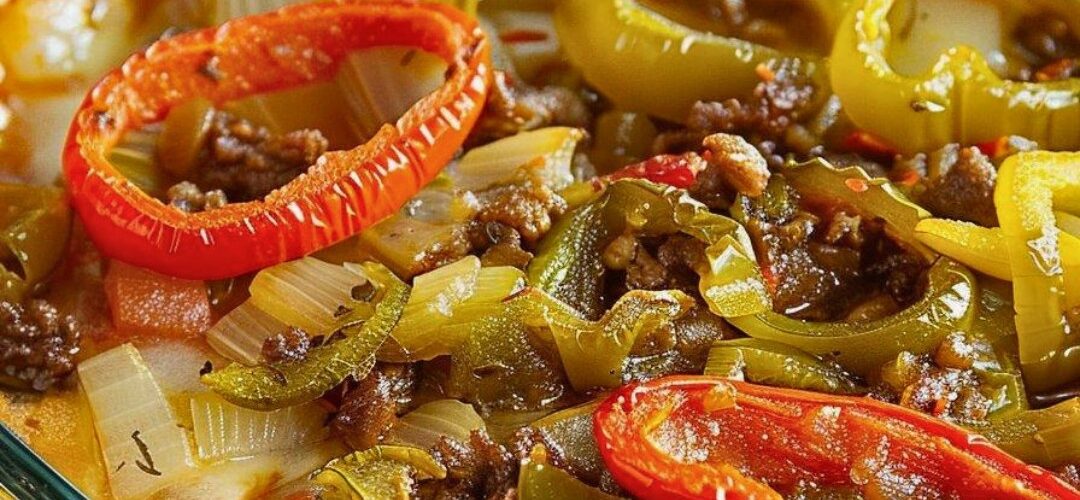
Ce sauté de poulet et de légumes éclatant apporte une saveur digne d’un restaurant à votre cuisine en seulement 30 minutes. Composé de poulet tendre, de légumes croquants et d’une sauce savoureuse qui enrobe chaque bouchée, ce plat prouve qu’une alimentation saine n’est ni compliquée ni chronophage. Idéal pour les soirs de semaine chargés, lorsque vous avez envie d’un repas nutritif, délicieux et satisfaisant sans passer des heures en cuisine.
Ingrédients
Pour le poulet et les légumes
- 1 livre (450 g) de poitrines de poulet désossées et sans peau, coupées en cubes de 1 pouce
- 1 grosse tête de brocoli, coupée en fleurons de la taille d’une bouchée (environ 4 tasses/400 g)
- 1 gros poivron rouge, coupé en lanières (environ 1 tasse/150 g)
- 1 oignon jaune moyen, coupé en demi-lunes (environ 1 tasse/150 g)
- 2 gousses d’ail hachées (environ 2 cuillères à café/6 g)
- 2 cuillères à soupe (30 ml) d’huile végétale, divisée
Pour la sauce sautée
- 3 cuillères à soupe (45 ml) de sauce soja à faible teneur en sodium
- 1 cuillère à soupe (15 ml) de sauce aux huîtres
- 1 cuillère à soupe (8 g) de fécule de maïs
- 2 cuillères à soupe (30 ml) de bouillon de poulet ou d’eau
- 1 cuillère à café (5 ml) d’huile de sésame
- 1/2 cuillère à café (2,5 g) de gingembre frais, râpé
- 1/4 cuillère à café (1,25 g) de poivre noir
Pour servir
- 3 tasses (555 g) de riz au jasmin cuit ou de riz brun
- 2 oignons verts, coupés en diagonale
- 1 cuillère à soupe (8 g) de graines de sésame
- Flocons de piment rouge (facultatif)
Instructions étape par étape
Temps de préparation : 15 minutes
Temps de cuisson : 15 minutes
Durée totale : 30 minutes
- Préparez la sauce : Dans un petit bol, fouettez la sauce soja, la sauce aux huîtres, la fécule de maïs, le bouillon de poulet, l’huile de sésame, le gingembre râpé et le poivre noir jusqu’à obtenir une consistance lisse. Réservez. La fécule de maïs épaissira la sauce et lui donnera cette finition brillante caractéristique des sautés.
- Préparation des ingrédients : Coupez le poulet en dés uniformes de 2,5 cm pour une cuisson uniforme. Coupez le brocoli en bouquets de la taille d’une bouchée, le poivron en lanières et l’oignon en demi-lunes. Pour réussir votre sauté, il est essentiel de bien préparer tous les ingrédients avant de commencer la cuisson.
- Chauffer la poêle : Faire chauffer un grand wok ou une poêle à fond épais à feu vif jusqu’à ce qu’elle soit bien chaude. Cette chaleur élevée est essentielle pour bien saisir les ingrédients et éviter qu’ils ne cuisent à la vapeur.
- Cuisson du poulet : Versez 1 cuillère à soupe d’huile végétale dans la poêle chaude. Disposez les morceaux de poulet en une seule couche, en veillant à ce qu’ils ne se chevauchent pas. Laissez-les saisir sans les toucher pendant 2 à 3 minutes, jusqu’à ce qu’ils soient dorés d’un côté, puis remuez et poursuivez la cuisson pendant 2 à 3 minutes supplémentaires, jusqu’à ce qu’ils soient bien cuits et dorés de tous côtés.
- Add the Onions and Peppers: Push the chicken to one side of the pan and add the remaining tablespoon of oil. Add the sliced onions and bell peppers to the empty side of the pan. Stir-fry for 2-3 minutes until the vegetables begin to soften but still retain some crunch.
- Incorporate Aromatics: Add the minced garlic to the pan and stir everything together. Cook for 30 seconds until fragrant, being careful not to let the garlic burn.
- Add the Broccoli: Add the broccoli florets to the pan and stir-fry for 3-4 minutes until they turn bright green and are tender-crisp. The broccoli should still have a slight bite to it.
- Finish with Sauce: Give the sauce mixture a quick stir to recombine the cornstarch, then pour it over the chicken and vegetables. Toss everything together and cook for 1-2 minutes until the sauce thickens and coats all the ingredients with a glossy finish.
- Serve Immediately: Remove from heat and serve immediately over steamed rice. Garnish with sliced green onions, sesame seeds, and red pepper flakes if desired.
Nutritional Information (Per Serving, Based on 4 Servings)
- Calories: 320
- Total Fat: 9g
- Saturated Fat: 2g
- Cholesterol: 75mg
- Sodium: 680mg
- Total Carbohydrates: 15g
- Dietary Fiber: 4g
- Sugars: 8g
- Protein: 28g
- Vitamin C: 95mg (105% DV)
- Vitamin A: 850mcg (94% DV)
- Iron: 2.5mg (14% DV)
- Calcium: 65mg (5% DV)
Variations and Substitutions
Protein Alternatives
Replace chicken with thinly sliced beef sirloin, pork tenderloin, or shrimp for variety. For vegetarian options, substitute with firm tofu, tempeh, or extra vegetables like mushrooms and snap peas. Each protein may require slightly different cooking times, so adjust accordingly.
Vegetable Variations
This recipe is incredibly flexible with vegetables. Try adding snap peas, carrots, zucchini, mushrooms, or baby corn. Root vegetables like carrots should be added earlier in the cooking process, while delicate vegetables like spinach should be added at the very end.
Sauce Modifications
For a spicier version, add 1-2 teaspoons of sriracha or chili garlic sauce to the sauce mixture. For a sweeter profile, include 1 tablespoon of honey or brown sugar. Those avoiding soy can substitute with coconut aminos for a similar umami flavor.
Low-Carb Option
Serve over cauliflower rice, zucchini noodles, or shirataki noodles instead of regular rice. This reduces the carbohydrate content significantly while maintaining all the delicious flavors of the stir-fry.
Gluten-Free Version
Use tamari or coconut aminos instead of soy sauce, and ensure your oyster sauce is gluten-free. Most cornstarch is naturally gluten-free, but check the label if you have celiac disease.
Meal Prep Friendly
This stir-fry stores beautifully for meal prep. Cook the rice separately and store the stir-fry in individual containers. It keeps in the refrigerator for up to 4 days and reheats well in the microwave or on the stovetop.
Expert Tips for Perfect Stir-Fry
The key to restaurant-quality stir-fry at home is maintaining high heat throughout the cooking process. Never overcrowd the pan, as this will cause the ingredients to steam rather than sear. If you’re doubling the recipe, cook in two batches to maintain proper heat levels.
Cut all ingredients to similar sizes for even cooking, and always have your sauce prepared before you start cooking since stir-frying happens quickly. The entire cooking process should take no more than 10-12 minutes once you start.
For the best texture, don’t stir too frequently. Let each ingredient sear properly before moving it around the pan. This creates those delicious caramelized edges that add so much flavor to the dish.
Frequently Asked Questions
Can I use frozen vegetables for this recipe? While fresh vegetables are preferred for optimal texture and flavor, you can use frozen vegetables in a pinch. Thaw them completely and pat dry before cooking. Add them to the pan when you would normally add fresh vegetables, but reduce the cooking time slightly since they’re already partially cooked.
What’s the best type of pan for stir-frying? A wok is ideal due to its shape and heat distribution, but a large, heavy-bottomed skillet works perfectly well. The key is using a pan that can handle high heat and has enough surface area to prevent overcrowding. Avoid non-stick pans for high-heat stir-frying as they can release harmful fumes.
How do I prevent the chicken from becoming tough? Don’t overcook the chicken, and make sure your pan is properly heated before adding the meat. Cut the chicken into uniform pieces and avoid moving it around too much initially to allow proper searing. The chicken is done when it reaches an internal temperature of 165°F (74°C).
Can I make this dish ahead of time? This stir-fry is best served immediately for optimal texture, but it can be stored in the refrigerator for up to 3 days. Reheat gently in a skillet over medium heat or in the microwave, adding a splash of water or broth if needed to loosen the sauce.
What should I do if my sauce doesn’t thicken properly? If your sauce remains thin, mix an additional teaspoon of cornstarch with a tablespoon of cold water to create a slurry, then add it to the pan and cook for another minute. Make sure to stir the original sauce mixture well before adding it to the pan, as cornstarch settles quickly.
Ce sauté de poulet et de légumes incarne tout ce qu’il y a de meilleur dans la cuisine maison : rapide, nutritif, personnalisable et absolument délicieux. Avec sa présentation colorée et son savoureux mélange de protéines et de légumes, c’est un plat qui ravit les yeux et le palais, tout en s’intégrant parfaitement aux emplois du temps chargés de la semaine. Maîtrisez cette technique de base et vous aurez une infinité de possibilités pour créer vos propres sautés avec les ingrédients que vous avez sous la main.