Durée totale :
Difficulté : Faible
Pour : 4 personnes
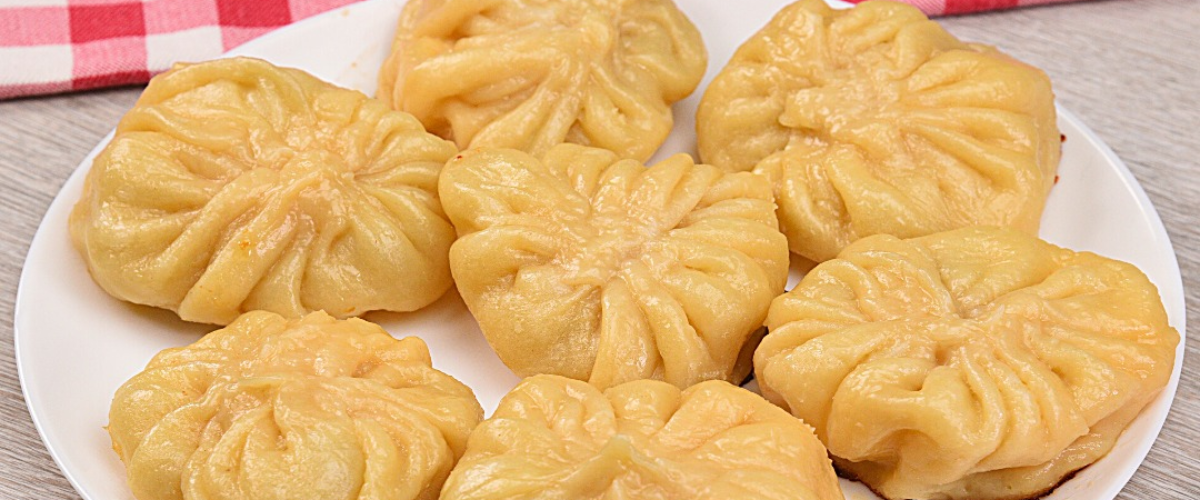
Ces Jiaozi ( raviolis chinois ) faits maison au porc et au poulet sont le plat réconfortant idéal, que vous les serviez en entrée copieuse ou en plat principal savoureux . Avec une pâte tendre enveloppant une garniture savoureuse de viande hachée, d’ail, de gingembre et d’un soupçon de vin de Shaoxing, ces raviolis regorgent d’ umami à chaque bouchée. Ce qui les rend spéciaux, c’est l’équilibre des saveurs, combiné à la facilité de la cuisson à la poêle pour un fond croustillant parfait et un centre juteux. Que ce soit pour des réunions de famille ou une soirée douillette à la maison, ces raviolis deviendront certainement un favori – car qui n’aime pas un bon ravioli ?
Que sont les Jiaozi ?
Les jiaozi (prononcé jow-zee ), les raviolis chinois adorés , ont une riche histoire qui remonte à plus de 1 800 ans, sous la dynastie Han . Traditionnellement attribués à Zhang Zhongjing , un célèbre praticien de médecine chinoise, les jiaozi ont été initialement créés comme remède contre les engelures. Il remplissait la pâte de viande et d’herbes, les façonnait en forme d’oreille et les faisait bouillir pour réchauffer le corps. Au fil du temps, ces raviolis médicinaux sont devenus un aliment populaire apprécié pendant les festivals , en particulier le Nouvel An lunaire, symbolisant la richesse et la prospérité en raison de leur ressemblance avec l’ancienne monnaie chinoise. À mesure que les échanges commerciaux et culturels se développaient, les jiaozi se sont répandus dans toute l’Asie, influençant des plats comme le gyoza japonais et le mandu coréen , chacun adapté avec des saveurs locales uniques.
Conseils de pro pour le meilleur jiaozi au porc et au poulet
- Assurez-vous de laisser reposer la pâte pendant 60 minutes pour développer le gluten, ce qui la rendra plus facile à étaler et donnera une texture douce et élastique.
- Étalez la pâte en cercles fins et réguliers (environ 3 mm d’épaisseur ) pour garantir une cuisson uniforme des raviolis . Gardez les bords légèrement plus fins que le centre pour éviter que la pâte ne soit trop moelleuse.
- Pour la garniture, mélangez bien le porc haché et le poulet avec l’ail, le gingembre et les sauces pour obtenir un mélange homogène. Ne remplissez pas trop les raviolis , car ils risquent d’éclater pendant la cuisson.
- Pinch the edges of the dough tightly to avoid any leaks. If needed, lightly wet the edges with water to ensure a strong seal.
- For perfectly crispy-bottomed dumplings, use a well-oiled pan and make sure the water completely evaporates before removing them from the heat. This ensures a crunchy base while keeping the filling moist and tender.
- Don’t overcrowd the pan. Cooking dumplings in smaller batches allows for even heat distribution, ensuring each dumpling is cooked perfectly.
Jiaozi Vs. Gyoza Vs. Bao
Jiaozi are the traditional Chinese dumplings, often filled with pork, vegetables, and seasonings, typically pan-fried or boiled, and have a thin, stretchy dough. Gyoza, Japan’s version of jiaozi, are smaller with thinner wrappers, known for their crispier texture due to the common cooking method of frying them on one side and steaming them on the other. Bao, on the other hand, refers to a type of Chinese steamed bun. Unlike jiaozi and gyoza, bao have a soft, fluffy dough and are filled with savory or sweet fillings, usually larger and more bread-like.
Why is My Dough so Tough?
The dough might be tough if it’s over-kneaded, hasn’t rested long enough, or if too much flour was used. Kneading too much develops excess gluten, making the dough stiff, while skipping the resting period prevents it from relaxing. Adding too much flour during mixing or rolling can also dry out the dough, making it less pliable.
Can I Buy Pre-Made Wrappers for Jiaozi?
Yes, you can definitely use premade wrappers for jiaozi! They’re a convenient option that saves time and are widely available in many grocery stores. Just make sure to choose wrappers labeled for dumplings (often found in the refrigerated or frozen section) and keep them covered with a damp cloth while assembling to prevent them from drying out.
SOS! Why is My Filling so Crumbly?
The filling might be crumbly if it lacks enough moisture or binding agents. Ground meats like pork and chicken need fat or liquids to hold them together, so if your filling is too dry, it can fall apart. To fix this, ensure you’re adding enough moisture-rich ingredients like Shaoxing wine, sesame oil, or even a splash of water or broth. Mixing the filling well until it becomes sticky will also help it bind better.
What Else Can I Use as a Filling for Jiaozi?
You can get creative with dumpling fillings by adding vegetables like mushrooms, cabbage, or carrots for extra texture and flavor. Tofu or tempeh are great plant-based alternatives to meat, while shrimp can add a seafood twist. For more depth, you can incorporate ingredients like hoisin sauce, soy sauce, or chili paste for a kick. Just ensure any added ingredients are finely chopped and well-mixed for an even filling!
Are Jiaozi Gluten Free?
Traditional jiaozi are not gluten-free, as the dough is made from wheat flour, which contains gluten. However, you can make gluten-free jiaozi by using gluten-free flour alternatives like rice flour or a gluten-free all-purpose blend for the dough. Just be mindful that the texture may differ slightly from the original. Additionally, check any sauces or fillings to ensure they’re gluten-free as well.
Why Are My Jiaozi Falling Apart When I Pick Them From the Pan?
If your jiaozi are falling apart when picked from the pan, it could be due to not sealing the edges tightly enough, causing the filling to leak out. Additionally, they may have been overcooked, making the dough too soft and fragile.
Can I Make Pork and Chicken Jiaozi Ahead of Time?
Yes, jiaozi can be made ahead of time! You can assemble the dumplings and store them in the fridge for up to a day or freeze them for longer storage.
Can I Freeze Pork and Chicken Jiaozi?
For sure! To freeze, place them on a tray in a single layer until solid, then transfer to a bag or container. When ready to cook, they can go straight from the freezer to the pan or pot without thawing, just adjust the cooking time slightly.
More Chinese Recipes For You!
Cantonese Fried Rice
Almond Chicken
Scallion Pancakes
Chinese Baozi
How to Store Pork and Chicken Jiaozi
To store leftover jiaozi, place them in an airtight container in the fridge for up to 3 days.
When reheating, you can steam, pan-fry, or microwave them to restore their deliciousness!
Ingredients
For the dough
flour
300 grams
Dry yeast
7 grams
sugar
8 grams
Water
200 ml
For the filling
Ground pork
230 grams
ground chicken
230 grams
Garlic
1 clove
Ginger
15 grams
Green onions
2
Shaoxing wine
10 ml
Oyster sauce
20 ml
Sesame oil
5 ml
black pepper
1 gram
How to Make Pork and Chicken Jiaozi
;Resize,width=712;)
Step 1
In a bowl, mix together the flour, dry yeast and sugar.
;Resize,width=712;)
Step 2
Add the water.
;Resize,width=712;)
Step 3
Knead the dough enough to have it not stick to the edges of the bowl.
;Resize,width=712;)
Step 4
Cover with a cloth and let it rest for a full 60 minutes.
;Resize,width=712;)
Step 5
Pendant ce temps, préparez la garniture : dans un bol, mélangez le porc et le poulet hachés, l’ail et le gingembre hachés, la même huile, la sauce aux huîtres, le poivre noir et le vin.
;Resize,width=712;)
Étape 6
Mélanger jusqu’à ce que le mélange soit homogène et collant, en utilisant une cuillère pour une répartition uniforme.
;Resize,width=712;)
Étape 7
Prenez la pâte et commencez à la travailler pour former une longue saucisse.
;Resize,width=712;)
Étape 8
Divisez la pâte en 8 parts.
;Resize,width=712;)
Étape 9
Étalez la pâte à l’aide d’un rouleau à pâtisserie et déposez une cuillère de farce au centre.
;Resize,width=712;)
Étape 10
Suite à la vidéo, formez le jiaozi.
;Resize,width=712;)
Étape 11
Disposez les boulettes – pas trop à la fois – dans une poêle bien huilée.
;Resize,width=712;)
Étape 12
Versez de l’eau dans la casserole.
;Resize,width=712;)
Étape 13
Couvrez avec un couvercle et laissez l’eau s’évaporer complètement, afin que les jiaozi cuisent à la vapeur et deviennent croustillants.
;Resize,width=712;)